 Save
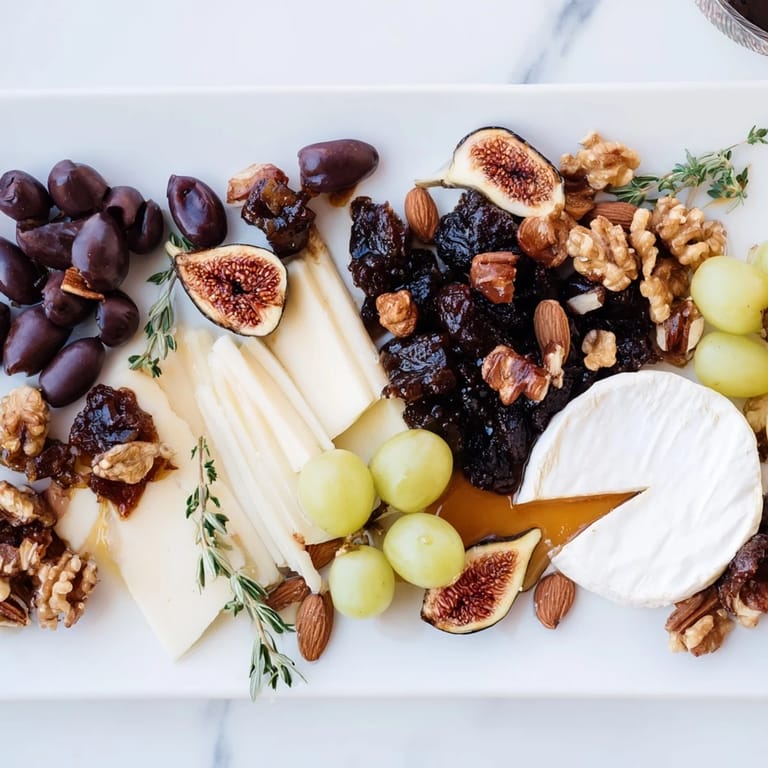
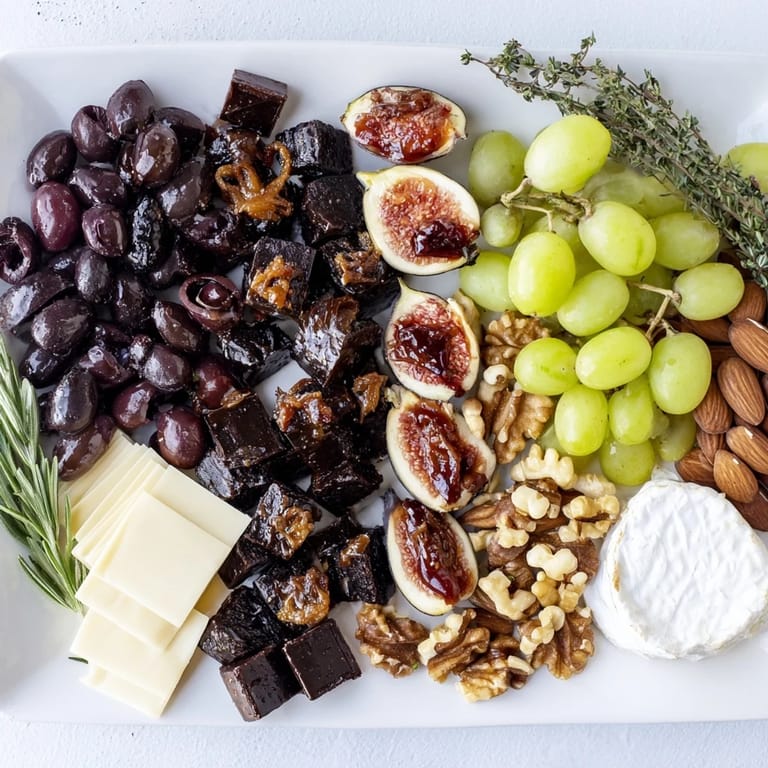
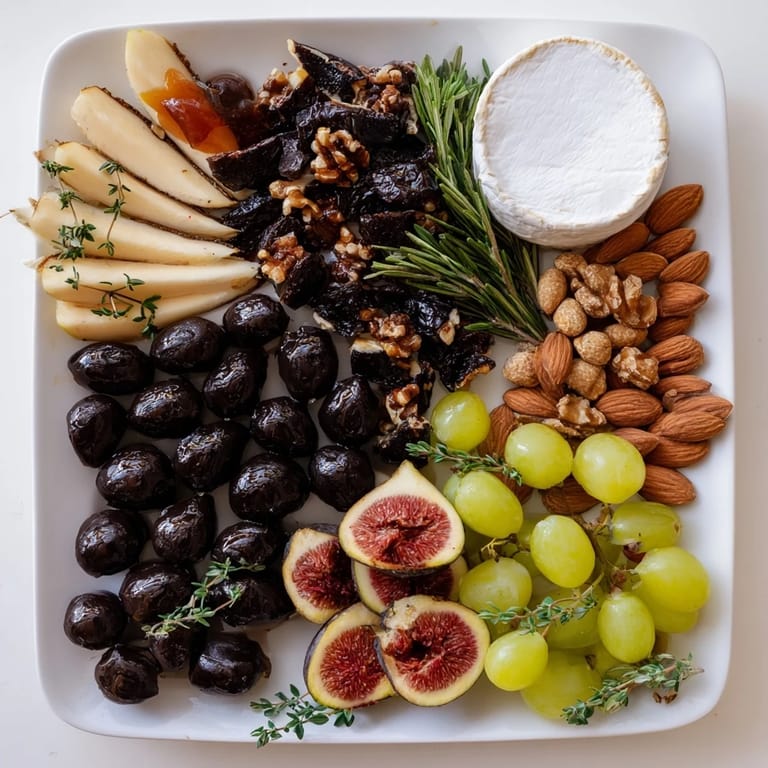
Save There's something about the shortest day of the year that makes me want to gather people around food that tells a story. I was arranging a board one December evening when it hit me—why not split it down the middle, dark and light, just like the solstice itself? One side rich with olives, figs, and chocolate, the other glowing with Brie and honeycomb. It's become my favorite way to mark the turning of the season, a board that actually means something beyond just being delicious.
I made this for a dinner party where the conversation had been dragging until someone pointed at the board and said, "Oh, I get it." That single moment of recognition, watching people understand the symbolism while they reached for cheese and figs, reminded me that food can do more than taste good—it can make people feel something.
Ingredients
- Kalamata olives: The classic deep purple ones with that briny, almost buttery quality—they anchor the dark side and taste nothing like canned versions.
- Oil-cured black olives: These are wrinkled and intense, adding textural contrast to their kalamata cousins.
- Dried mission figs: Halve them so they show off their jewel-like insides, and avoid pre-chopped ones that taste like dust.
- Fig jam: A small dollop of sweetness that bridges the savory and sweet, or make your own if you have time.
- Dark chocolate: Break it roughly—uneven pieces look more intentional than neat squares, and you want people to taste the chocolate, not cocoa bitterness.
- Roasted almonds: The nuttiness deepens the dark side's earthiness; raw ones taste hollow by comparison.
- Fresh rosemary: A single sprig becomes a natural divider and releases its scent when guests brush past it.
- Ripe Brie: Press it gently—if your finger leaves a slight impression, it's perfect for eating straight off the rind.
- Ripe pears: Slice just before serving so they don't brown, and choose pears with a gentle give, not rock-hard ones.
- Honeycomb: If you can find it, the waxy, crunchy texture beats honey alone, though a generous drizzle works too.
- Toasted walnuts: Toast them yourself for five minutes—the aroma is your cue that they're ready.
- Seedless green grapes: Their sweetness and cool crispness balance the creamy cheese and rich chocolate.
- Fresh thyme: Use whole sprigs as a garnish that doubles as a flavor accent when someone wants a taste.
- Baguette and crackers: Choose one sturdy option so they don't collapse under toppings—a day-old baguette slices cleaner than fresh.
Tired of Takeout? 🥡
Get 10 meals you can make faster than delivery arrives. Seriously.
One email. No spam. Unsubscribe anytime.
Instructions
- Divide and prepare your canvas:
- Lay your board horizontally and create a clear line down the middle using fresh rosemary sprigs laid end to end, or arrange a single row of crackers as your divider. This visual split is what makes the whole concept work—it's the first thing people notice.
- Build the dark side:
- Start by creating small clusters of olives in one corner, then arrange halved figs cut-side up so their interior shows. Dollop fig jam in a small dish, scatter dark chocolate pieces and roasted almonds in their own little groupings, and tuck a rosemary sprig in for both garnish and scent.
- Arrange the light side:
- Place the Brie wheel or wedge off-center so it has room to breathe, then fan pear slices beside it in slightly overlapping rows. Add a small bowl of honeycomb or drizzle honey directly on the board, scatter toasted walnuts and green grapes in casual clusters, and finish with fresh thyme sprigs tucked between the other elements.
- Add your supporting cast:
- Arrange baguette slices and crackers down the center line, or place them on a small side plate so they don't compete with the board itself. Step back and look for any bare spots—fill them with extra grapes or a few more nuts.
- Serve and watch:
- Set it out at room temperature and listen as people naturally comment on the symbolism before they even taste anything. This is the moment the board becomes more than ingredients.
 Save
Save Someone once asked me if the board was hard to make, and I almost laughed. The truth is, watching guests spend twenty minutes debating which side to eat first, all while the symbolism sinks in, reminded me that the best entertaining isn't about complexity—it's about creating a moment. This board does that without you ever needing to turn on the stove.
The Story Behind the Sides
I've always been drawn to food that mirrors the seasons, and the solstice is the most dramatic turning point of the year. Creating this board felt like a way to honor that transition without making it heavy or overthinking it. The duality—dark and light, rich and bright, savory and sweet—speaks for itself, and somehow people grasp it immediately, even if they've never thought about the solstice before.
Customizing Your Board
The beauty of a board is that it adapts to what you have on hand and what people around your table actually eat. Swap pears for crisp apples if you prefer, or use dried apricots instead of figs for a different texture. Roquefort brings a sharper tang than Brie if you want the light side to feel less gentle, and Camembert is always a solid alternative for when Brie is either hard as a rock or melting into the board.
Pairing and Presentation
This board makes sense alongside a dry sparkling wine that cuts through the richness, or a light-bodied red if your crowd leans that way. The key is choosing something that won't overshadow the delicate flavors—you want the wine to feel like part of the conversation, not the main event. As for presentation, resist the urge to over-garnish or make every element perfectly symmetrical; the charm lives in the arrangement feeling abundant but not fussy, considered but not overthought.
- Set out small plates and napkins so people don't feel rushed to grab and go.
- Place the cheese knife nearby so no one has to guess how to cut the Brie without embarrassment.
- Light a candle on the table—not for the flame, but because it makes everything feel like a moment worth lingering in.
 Save
Save Winter boards have a way of making ordinary December evenings feel intentional and warm. Serve this one and watch how food becomes a conversation starter instead of just something to eat between sentences.
Recipe Questions & Answers
- → How should I arrange the Winter Solstice board?
Divide the board into two halves using a line of rosemary or crackers. Place savory ingredients like olives and figs on one side, and lighter elements like Brie and pears on the other.
- → Can I substitute the Brie cheese?
Yes, soft cheeses such as Camembert or Roquefort work well as alternatives, providing similar creamy textures and flavor profiles.
- → What are good pairings to serve alongside this board?
Dry sparkling wines or light-bodied red wines complement the contrasting flavors and balance the rich and fresh elements effectively.
- → How do I keep the dried fruit and nuts fresh on the board?
Arrange the ingredients just before serving to maintain freshness. Use dried figs and roasted nuts stored in airtight containers until use.
- → Are there any allergen considerations for this spread?
This board contains tree nuts, milk from cheese, and gluten from baguette and crackers. Gluten-free and nut-free alternatives can be used as needed.